A lush, green lawn is the pride of any home—but for beginners, the prospect of mowing can feel intimidating. The good news? Learning how to mow a lawn properly is simpler than you think, and mastering this fundamental skill is the single most important step in learning how to maintain a healthy lawn.
Regular mowing does more than just keep your yard looking neat. Each cut encourages grass to grow more thickly, creating a luxuriant appearance while blocking out weeds and making the turf more hard-wearing. Proper mowing promotes a healthy root system, reduces weed invasion, and lessens disease pressure by minimizing grass stress.
In this comprehensive guide, you’ll learn everything you need to know about how to use a lawn mower safely, when to cut, what height to maintain, and how to handle challenging situations like overgrown long grass. Let’s get started.
This post contains affiliate links. As an Amazon Associate, I earn from qualifying purchases at no additional cost to you.
Part 1: Before You Start Mowing
Check the Conditions
Before you even think about starting the engine, assess the weather and ground conditions. The grass should be dry—mowing wet grass causes blades to tear rather than cut cleanly, and clippings will clump and clog your mower. Wet soil also leads to compaction, smearing, and rutting that can damage your lawn.
Never mow frosty grass—it can damage the turf. Wait until later in the day when the lawn has defrosted, or postpone mowing to another day.
Clear the Lawn
Walk the entire yard and remove all obstacles: stones, sticks, toys, garden furniture, sports equipment, and anything else that could become a dangerous projectile when struck by the mower blades. Mower blades spin at thousands of RPM and can turn a small rock into a missile traveling over 100 mph. This simple step can prevent serious injury and damage to your equipment.
Gear Up for Safety
Learning how to use a lawn mower safely starts with proper protective equipment:
- Sturdy, closed-toe shoes (no sandals or bare feet)
- Long pants to protect your legs
- Safety glasses or goggles
- Hearing protection for gas-powered mowers
- Gloves for handling debris and equipment
Part 2: How to Use a Lawn Mower – Step by Step
Step 1: Read the Manual
This might sound obvious, but many beginners skip it. Locate your mower’s model number and spend a few minutes reading the manual. Understanding your mower’s safety features—like the dead-man switch that stops the blades when you release the handle—can prevent accidental starts and injuries.
Step 2: Adjust the Cutting Height
Setting the correct height is crucial for how to maintain a healthy lawn. The golden rule: never remove more than one-third of the grass blade length in a single mowing.
For most lawns, an ideal height is between 2.5cm and 4cm (1 to 1.5 inches). However, the right height depends on your grass type:
| Grass Type | Recommended Mowing Height |
|---|---|
| Kentucky Bluegrass | 2 – 4 inches |
| Tall Fescue | 2 – 4 inches |
| Bermudagrass | 1 – 2 inches |
| Zoysiagrass | 1 – 2.5 inches |
| St. Augustinegrass | 3 – 4 inches |
For the first cut of the season or when dealing with long grass, always start with the highest blade setting. You can gradually lower it over subsequent cuts.
Step 3: Start with the Perimeter
Begin by mowing 2 or 3 laps around the entire edge of your lawn. This creates clean borders and gives you a defined area to work with. It also helps you see exactly how much of the lawn needs mowing, making it easier to achieve a neat finish.
Step 4: Mow in Straight Lines
For square or rectangular lawns, mow up and down in straight lines, using the edge as a guide. Overlap each pass slightly so you don’t miss any strips. Change your mowing pattern each time—alternating directions prevents ruts from forming and encourages even growth.
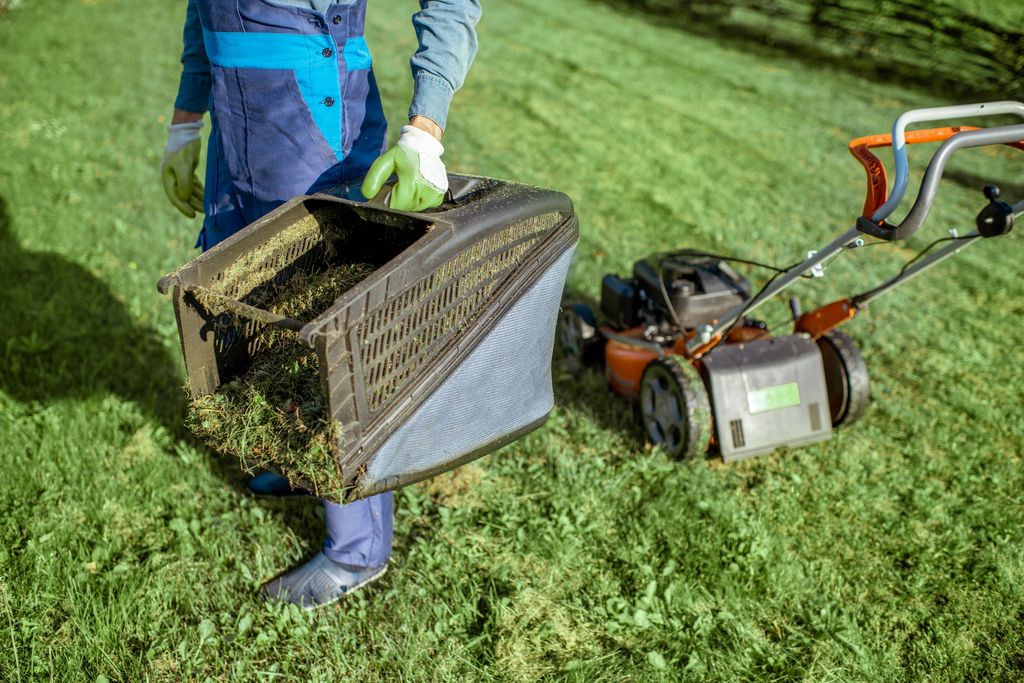
Step 5: Empty the Clippings Bag Regularly
Don’t let the bag overfill. Empty it frequently to prevent a buildup of material around the mower blades, which can reduce cutting efficiency and strain the engine.
Step 6: Trim the Edges
For a professional finish, trim overhanging grass along borders after mowing. Use long-handled edging shears or a string trimmer to neaten up the edges your mower couldn’t reach.
Part 3: The Best Time to Mow Lawn for Optimal Health
Timing matters. Mowing at the wrong time can stress your grass, increase disease risk, and leave your lawn looking ragged.
The Ideal Window: Mid-Morning (8–10 AM)
The best time to mow lawn is mid-morning, between 8 a.m. and 10 a.m.. Why?
- Morning dew has evaporated, so the grass is dry
- Temperatures are still cool, preventing heat stress on the grass
- Your lawn has time to recover before nightfall, reducing disease risk
The Second-Best Option: Late Afternoon (4–6 PM)
If you’re not a morning person, late afternoon is your next best bet. The grass is dry, temperatures have cooled from the midday peak, and there’s still enough daylight for the lawn to recover before evening dew sets in.
Times to Avoid
- Early morning (before 8 AM) – Grass is still wet with dew
- Midday (noon–3 PM) – Heat stress damages both you and the grass
- Evening (after 6 PM) – Grass won’t have time to recover before moisture settles overnight, increasing fungal disease risk
Seasonal Considerations
- Spring/Autumn: Mow weekly or fortnightly, depending on growth
- Summer: Mow weekly on average, but reduce frequency during drought
- Winter: Usually not necessary—only mow during mild spells, and always on a high cut setting
Part 4: How to Mow Long Grass – Taming Overgrown Lawns
We’ve all been there—life gets busy, and suddenly your lawn resembles a meadow. Cutting long grass requires a different approach to avoid damaging your mower or stressing your lawn.
The Golden Rule Still Applies
Even with overgrown grass, never remove more than one-third of the height in a single pass. If your grass is 6 inches tall, don’t try to cut it down to 2 inches in one go. You’ll stress the lawn, potentially halting root growth for days or even weeks.
Step-by-Step for Long Grass
1. Assess the Height
If your grass is over 1.5 feet (45cm) tall, a standard mower may struggle. For anything above knee height, it’s best to use a string trimmer or strimmer first to take off the top growth.
2. Start with the Highest Setting
Raise your mower to its highest blade setting and cut the grass in small sections. This gradual approach avoids stressing the grass and ensures a more even cut.
3. Consider a Double Cut
Cut about 50% of the grass height, then wait a couple of days before cutting another 50% of the new height. This gives the grass time to recover between passes.
4. Bag the Clippings (Just This Once)
When you break the one-third rule—which is unavoidable with very long grass—bag the clippings rather than leaving them on the lawn. Large piles of clippings can smother the grass beneath.
5. Gradually Lower Over Subsequent Cuts
Over the next few mowing sessions, gradually lower the blade height until you reach your desired cutting height.
Part 5: How to Maintain a Healthy Lawn – Beyond Mowing
Learning how to mow a lawn is just the beginning. Here’s what else you need to know for how to maintain a healthy lawn year-round.
1. Keep Your Blades Sharp
Dull mower blades rip and tear grass rather than cutting it cleanly. This affects the health of your lawn and gives it a frayed, brown-tipped appearance. Sharpen your blades at the beginning of each season—or after about 10 hours of cumulative use.
2. Follow the One-Third Rule – Every Time
Consistency is key. Never remove more than one-third of the grass blade in a single mowing. This prevents stress, promotes deep root growth, and keeps your lawn dense and healthy.
3. Leave the Clippings (Grasscycling)
Leave grass clippings on the lawn—a practice called grasscycling. Clippings are mostly water and decompose rapidly, returning valuable nitrogen, phosphorus, and potassium to the soil. This can reduce your fertilizer needs by up to 25–40%.
A mulching mower produces finer clippings that decompose even faster. But any mower can grasscycle—simply remove the collection bag and let the clippings fall.
4. Water Deeply and Infrequently
Water deeply but less often—about 1 inch of water per week, either from rain or irrigation. Watering only 2–3 times per week encourages deep root growth. Avoid frequent, shallow watering, which promotes shallow roots and weed growth.
5. Mow Frequently Enough
Don’t mow on a fixed schedule—mow based on growth. During peak spring growth, you might need to mow twice a week. In slower periods, once a week or even fortnightly may suffice. The goal is to never let the grass get so tall that you have to break the one-third rule.
6. Vary Your Mowing Pattern
Mow in a different direction each time. This prevents the grass from leaning in one direction, reduces soil compaction from wheel ruts, and promotes upright, even growth.
Common Beginner Mistakes to Avoid
Final Thoughts
Mastering how to mow a lawn is the foundation of a beautiful, healthy yard. By following the steps in this guide—choosing the best time to mow lawn, using your mower safely, cutting at the right height, and adopting good lawn care habits—you’ll be well on your way to a lawn that’s the envy of the neighborhood.
Remember: how to maintain a healthy lawn is a marathon, not a sprint. Be patient, be consistent, and your grass will reward you with lush, green growth season after season.