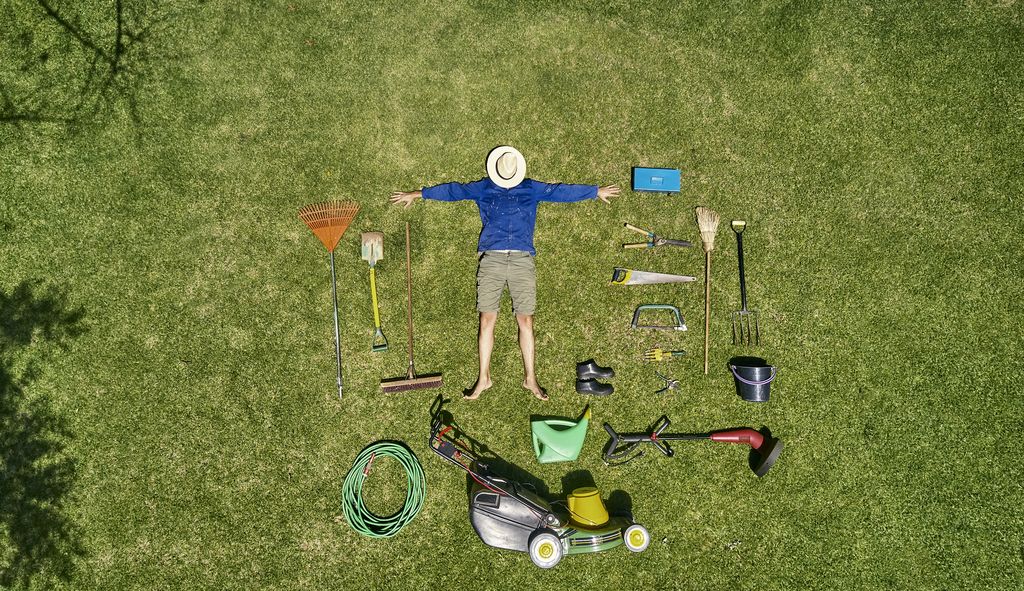
A beautifully manicured lawn doesn’t happen by accident. While regular mowing and watering are essential, the difference between an average yard and a professionally landscaped masterpiece lies in the finishing touches. The secret? Having the right lawn edger and complementary tools in your shed.
A lawn edger is arguably the most transformative tool for creating crisp, clean lines that define your landscape. But to achieve a truly flawless yard, you’ll need a complete arsenal of specialized equipment. In this comprehensive guide, we’ll explore five essential lawn tools that separate the amateurs from the pros: the lawn edger, lawn sweeper, lawn roller, lawn aerator, and lawn edging materials.
Whether you’re tackling autumn leaves, leveling frost-heaved soil, or creating weed-blocking borders, these tools will elevate your lawn care game to professional status.
This post contains affiliate links. As an Amazon Associate, I earn from qualifying purchases at no additional cost to you.
1. Lawn Edger: The Cornerstone of Clean Lines
A lawn edger is a steel-bladed tool designed to create crisp, semipermanent grass edge lines along driveways, sidewalks, curbs, and landscape beds. It’s the single most effective tool for giving your yard that “golf course” look.
Types of Lawn Edgers
Manual Lawn Edgers: These are wheel-based tools with serrated blades that cut through grass and sod. They’re ideal for small yards and curved edges where precision matters most. Manual edgers are affordable, require no power source, and feature self-sharpening blades that stay effective with regular use.
Power Edgers: Available in gas, corded electric, and battery-powered models, power edgers excel at straight lines and larger properties. According to 2026 expert tests, the Echo PE-225 stands out as the best overall for its precise performance and maneuverability. Battery-powered options like the EGO Power+ ME0820 deliver gas-like power without the fumes or maintenance headaches.
Step-by-Step Guide to Using a Lawn Edger
- Mow first: Before edging, mow your yard to a uniform, short length.
- Clear debris: Remove rocks, sticks, and large clippings from the area.
- Position the edger: Place the wheel on the pavement with the blade positioned over the grass edge.
- Cut the edge: Keep the blade about 1 to 1½ inches deep in the soil for a clean cut.
- Refine with a spade: Deepen the cut to 4–6 inches using a garden spade.
- Maintain regularly: Edge every couple of weeks for professional-looking results.
Pro Tip: For curved edges, a manual edger offers better control than a power edger. Use a garden hose or rope to mark the desired curve before cutting.
2. Lawn Roller: Leveling Without Compacting
A lawn roller is a cylindrical tool—often filled with water or sand for weight—that helps flatten ground, press down sod, and repair damage from frost heaves or mole hills.
When to Use a Lawn Roller
Appropriate Uses:
- After winter frost heave: Spring rolling smooths out bumps caused by freezing and thawing.
- After seeding: Rolling presses seeds into the soil so they don’t blow or wash away, expediting germination.
- For sod installation: Roll before laying sod to ensure a flat base, and again after watering to remove air pockets and ensure root-to-soil contact.
When NOT to Roll:
- Don’t roll routinely: Rolling compacts soil, reducing air and water penetration for roots.
- Avoid heavy clay soils: These are more prone to compaction damage.
- Don’t roll when soil is soaking wet: This causes excessive compaction.
Best Practices for Rolling
- Roll in spring when soil is moist but not wet.
- Use a lightweight roller, especially on new or thin grass.
- Fill a water roller only one-third to halfway for lighter jobs.
- Roll only once per season—over-rolling damages soil structure.
3. Lawn Sweeper: Say Goodbye to Back-Breaking Raking
A lawn sweeper uses a rotating brush to sweep up leaves, grass clippings, twigs, pine needles, and other debris into a waiting hopper bag. It attaches to riding lawn mowers or tractors, making yard cleanup fast and effortless.
Why Choose a Lawn Sweeper Over a Rake?
- Faster and less labor-intensive: Sweepers cover large areas in minutes, saving your back and time.
- Versatile: They pick up sticks, pine cones, small stones, and even manure—not just leaves.
- Environmentally friendly: No electricity or fuel required for manual or tow-behind models.
- Large capacity: Many models feature hoppers holding 20–26 cubic feet of debris.
How to Use a Lawn Sweeper
- Assemble the sweeper: Most models take less than an hour to assemble with numbered parts and video tutorials.
- Attach to your tractor: Connect using the hitch pins—most fit hitch heights from 7 to 13 inches.
- Adjust sweeping height: Set the brushes to the right height for your terrain.
- Drive and sweep: Simply drive over debris and let the brushes do the work.
- Empty the hopper: Use the dumping rope to empty collected debris into bags or compost piles.
Note: While sweepers excel at open areas, rakes are still better for tight spaces and corners.
4. Lawn Aerator: Breathing Life Into Your Soil
A lawn aerator perforates the soil with small holes, allowing air, water, and fertilizer to reach grass roots more easily. Over time, soil compacts from foot traffic, mowing, and poor drainage, preventing nutrients from penetrating.
Core Aerators vs. Spike Aerators
Core (plug) aerators remove plugs of soil about ½–¾ inch in diameter and 2–4 inches deep. These are far more effective than spike aerators, which simply poke holes and can actually increase compaction.
When to Aerate
| Grass Type | Best Time to Aerate |
|---|---|
| Cool-season (fescue, bluegrass, ryegrass) | Early spring or early fall |
| Warm-season (Bermuda, zoysia, St. Augustine) | Late spring to early summer |
Key rules:
- Aerate only when grass is growing vigorously.
- Never aerate dormant lawns.
- Soil should be moist but not wet.
- Aerate every 1–2 years for heavy-traffic lawns; every 2–4 years for average lawns.
How to Aerate
- Water the day before if soil is dry.
- Choose the right aerator: Use a core aerator for best results.
- Make multiple passes in different directions for thorough coverage.
- Leave soil plugs on the lawn—they decompose within weeks.
- Overseed immediately after aeration for optimal seed-to-soil contact.
5. Lawn Edging: The Permanent Solution for Weed-Free Borders
While a lawn edger creates temporary cuts, installing permanent lawn edging materials provides long-term weed prevention and crisp boundaries that last for years.
Benefits of Installing Lawn Edging
- Weed prevention: Creates a physical barrier that stops grass from creeping into flower beds.
- Clean aesthetics: Defines clear boundaries between lawn, walkways, and planting areas.
- Low maintenance: Once installed, physical edging reduces the need for frequent re-cutting.
- Easier mowing: Clear edges mean no more trimming along ill-defined borders.
Step-by-Step Installation Guide
Step 1: Plan and Mark the Outline
- For straight edges: Use a string line tied between two pegs.
- For curved edges: Use a garden hose, rope, or flexible tubing.
- View the marked edge from various angles—an upstairs window gives the best perspective.
Step 2: Cut the Edge
- Use a half-moon edger or flat-backed spade.
- Insert the blade 4–6 inches deep along your marked line.
- Work in small steps, overlapping cuts slightly for a continuous line.
Step 3: Create the Trench
- Remove turf and soil along the cut edge.
- Use a spade at a 45-degree angle to lift cut sod.
- Aim for a V-shaped trench about 4–6 inches deep.
Step 4: Install the Edging Material
- Place your chosen edging (steel, wood, stone, or plastic) into the trench.
- Ensure the edging sits level with or slightly above the soil surface.
- Secure with stakes if required.
Step 5: Backfill and Finish
- Pull soil back against the edging.
- Add a 2-inch layer of mulch along the bed side.
- Water the area and enjoy your professional-looking border.
Timing: You can create a new lawn edge at any time of year—just avoid working when the ground is frozen or very wet.
Conclusion: Building Your Perfect Lawn Care Arsenal
A professionally manicured yard isn’t about luck—it’s about having the right tools and knowing when and how to use them.
A lawn edger gives you those crisp, envy-inducing lines that define your landscape. A lawn roller levels out winter’s damage without compacting your soil. A lawn sweeper saves your back and time during autumn cleanup. A lawn aerator breathes life into compacted soil. And permanent lawn edging keeps your borders weed-free and beautiful for years to come.
Each tool serves a specific purpose at a specific time. Use them wisely, and your yard will transform from average to extraordinary—the kind of landscape that makes the neighbors stop and stare.