A patchy, brown, or overgrown lawn is one of the most common frustrations for homeowners.
The good news? You don’t need a degree in horticulture to fix it. With a practical, season-by-season roadmap and the right tools—including a lawn aerator, lawn fertilizer, and a properly programmed lawn sprinkler—you can transform your yard into the neighborhood showpiece.
This guide delivers a foolproof calendar from spring through fall, step-by-step watering optimization, and DIY troubleshooting for common lawn problems.
This post contains affiliate links. As an Amazon Associate, I earn from qualifying purchases at no additional cost to you.
Why a Seasonal Lawn Care Schedule Matters
Your lawn’s needs change with the weather.
A good lawn care schedule gives your turf exactly what it needs based on the season: early prevention in spring, growth support through summer, and recovery-focused steps in fall.
Wait too long in spring or fall, and your grass ends up stressed, patchy, or weed-covered. Consistency is the key to a healthy lawn year-round.
This guide assumes cool-season or transition-zone turf (bluegrass, rye, or fescue), which is common in USDA Hardiness Zones 4 through 7.
If you have warm-season grass like Bermuda or Zoysia, follow similar steps but shift the timing 4–6 weeks later.
Spring Lawn Care: Cleanup, Aeration, and Fertilization
Spring is when your lawn wakes up.
If you wait until everything is lush, you have already missed the weed prevention window. Spring work is about preparation—waking up the soil and avoiding early lawn stress.
Early Spring (March–Early April): Pre-Emergent and Tool Checks
Start when the soil reaches about 50°F. This is usually when early weeds germinate.
- Apply a pre-emergent herbicide to stop crabgrass before it takes root.
- Clear winter debris and check for matted areas that could block air or water.
- Lightly rake to reduce mold or rot in compacted zones.
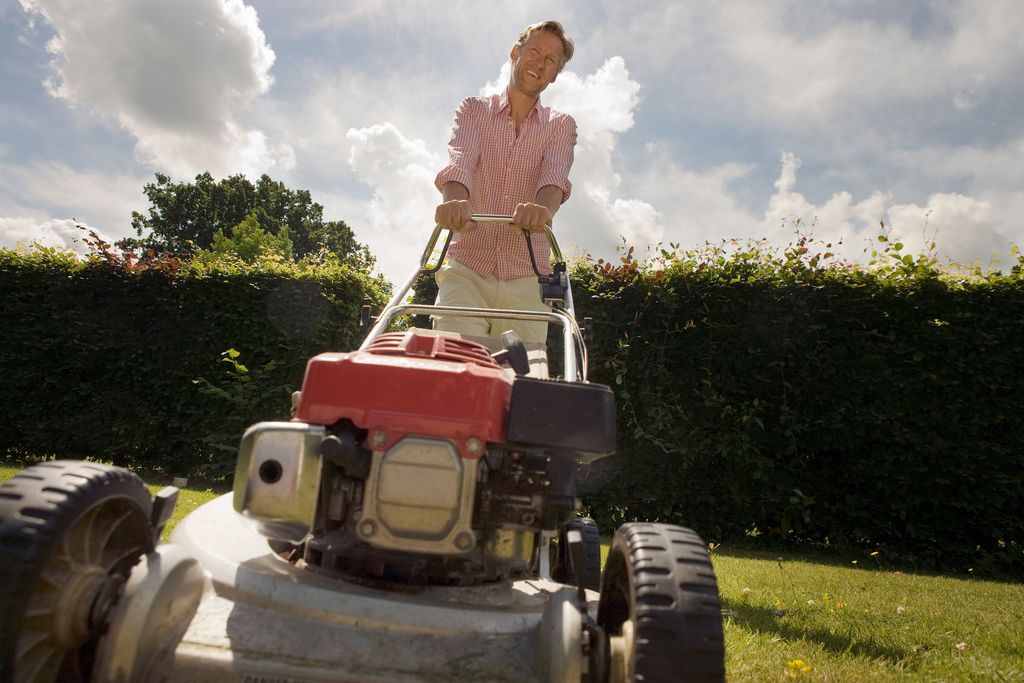
- Sharpen mower blades and set cutting height between 2.5 and 3 inches. A sharp blade reduces tearing by up to 25%, leading to cleaner edges and fewer brown tips.
Mid-Spring (April–May): Fertilize and Mow
Once mowing starts, consistency matters. Do not fertilize too early—wait until the first mow.
- Apply a slow-release lawn fertilizer with balanced nitrogen. Mid-April is ideal for the first fertilizer application, as your grass is actively growing and can use nutrients.
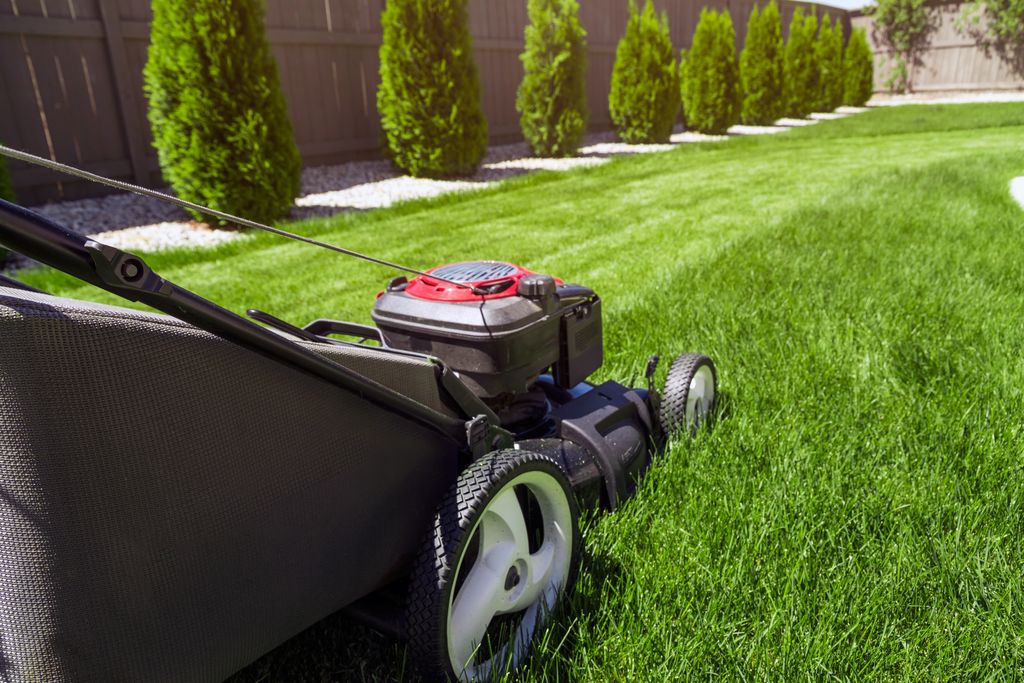
- Mow weekly using the one-third rule—never cut more than one-third of the grass height at once—to avoid scalping.
- Spot-treat weeds like dandelions or clover before they mature. Broadleaf weed sprays work best on young weeds in active growth.
When to Use a Lawn Aerator in Spring
Spring is an excellent time to use a lawn aerator if your soil is compacted. Aeration pulls out small soil plugs, allowing air, water, and nutrients to reach the root zone. A well-aerated lawn grows stronger and handles challenges better.
How to aerate properly:
- Cut your grass shorter than usual so the aerator reaches the soil easily.
- Water the lawn a day or two before—wet soil makes aeration easier.
- Mark sprinkler heads or shallow pipes to avoid damage.
Apply fertilizer within two days of aerating for the best results. The aeration holes let fertilizer reach roots directly, helping your lawn grow green and strong.
Summer Lawn Care: Watering, Mowing, and Stress Management
During hot months, your lawn is not trying to grow fast—it is just trying to stay alive. Homeowners often overdo it in summer with fertilizer or water, which can do more harm than good.
Optimizing Your Lawn Sprinkler Schedule
Watering efficiently is the single most important summer task. Watering lawns once per week is recommended in spring and fall; twice a week in summer.
Best practices for your lawn sprinkler:
- Water in the early morning (between 4 a.m. and 10 a.m., ideally 2–6 a.m.) to reduce evaporation and wind interference. Morning watering also allows grass blades to dry, making them less susceptible to foliar diseases.
- Water deeply and infrequently. Aim to soak the ground 3–4 inches deep—generally 45–60 minutes per zone, every 4–8 days in most conditions.
- Use the “cycle and soak” method. Split your watering into two or three shorter cycles with 30-minute breaks between instead of a single long stretch. For example, a 15-minute session can be split into three 5-minute cycles with 30 minutes of soaking time between each.
- Change run times seasonally on your controller. Use the “percent key” feature to adjust for seasonal water needs.
Weekly watering guide by sprinkler type:
| Season | Inches of Water/Week | Pop-Up Spray Heads (min/week) | Rotor Heads (min/week) |
|---|---|---|---|
| Late April | 0.75 | 26 | 90 |
| May–June | 1.0 | 34 | 120 |
| July–August | 1.5 | 52 | 180 |
| September | 1.0 | 34 | 120 |
| Early October | 0.75 | 26 | 90 |
Summer Mowing and Fertilizing
- Raise your mowing height. Keep grass taller in summer to protect roots from heat stress.
- Mow once a week or less during summer.
- Avoid fertilizing in peak summer heat. Cool-season grasses slow down significantly in hot weather and may go dormant to conserve energy.
- Monitor for pests like grubs and chinch bugs. Spot-treat as needed.
Fall Lawn Care: Aeration, Overseeding, and Winter Preparation
Fall is the most important season for long-term lawn health. This is when you repair summer damage and build root strength for next spring.
Early Fall (September): The Ideal Time for Aeration and Fertilization
Early fall is the prime window for using a lawn aerator and applying lawn fertilizer.
- Aerate your lawn to relieve soil compaction from summer foot traffic and improve root growth and water absorption.
- Overseed thin or bare areas after aeration. The holes provide perfect seed-to-soil contact.
- Apply fall fertilizer with a higher phosphorus content (like a 3-12-12 blend) to build root strength and harden the grass for winter.
- If you fertilize only once per year, apply it in early fall.
Late Fall (October–November): Final Mow and Winterization
- Reduce irrigation frequency to about ½ inch per zone, no more than twice per week.
- Mow every 10–12 days in early fall, tapering to once a month by November.
- Apply a winterizer fertilizer with low, late nitrogen—enough for root maintenance without triggering tender shoot growth that freezes back.
- Winterize your sprinkler system: flush and drain before the first freeze. Wrap exposed outdoor pipes to prevent damage.
DIY Troubleshooting: Fixing Common Lawn Problems
Even with the best lawn care routine, problems can appear. Here is how to diagnose and fix them.
Brown or Patchy Grass
Q: Why does my lawn have brown patches?
A: The most common causes include drought, lawn-care issues (such as fertilizer overdose), insect problems, fungal diseases, and compacted soil.
Q: How do I fix brown patches?
A: Follow these steps:
- Rake the area to remove dead grass, weeds, and debris, exposing bare soil.
- Loosen the top inch of soil lightly for better seed contact.
- Water deeply in the early morning—inconsistent watering is a leading cause of brown spots.
- Test your soil for nutrient deficiencies and pH levels using a DIY kit from a garden center.
Fertilizer Burn
Q: What causes striped brown patches after feeding?
A: An overdose of fertilizer. Always follow dosage instructions carefully. If using a mechanical distributor, calibrate it before use. Apply fertilizer before rain, or water after feeding if no rain is forecast.
Thatch Buildup
Q: What is thatch and how do I fix it?
A: Thatch is a layer of dead grass and roots that builds up between the soil and grass blades. Light raking in early spring helps reduce thatch in compacted zones. For severe buildup, use a dethatching rake or power dethatcher in spring or early fall.
Drought Stress
Q: My lawn is brown in summer—is it dead?
A: Not necessarily. Many lawns go dormant during drought. Brown does not always mean dead. Water deeply and infrequently, and the grass will recover when temperatures cool.
Clover Lawns: A Low-Maintenance Alternative
If you are tired of high-maintenance grass, consider a clover lawn. Clover is naturally low maintenance and grows easily. Once established, clover requires less mowing and less water than traditional grass lawns. Mow every three weeks to keep it low and promote lateral growth.
Final Checklist for a Lush Green Lawn
- Apply pre-emergent herbicide when soil reaches 50°F (early spring)
- Sharpen mower blades and set height to 2.5–3 inches
- Apply slow-release lawn fertilizer after the first spring mow
- Use a lawn aerator in spring or early fall—apply fertilizer within 2 days
- Program your lawn sprinkler to water early morning, deeply and infrequently
- Water once a week in spring/fall, twice a week in summer
- Mow high in summer, lower in spring and fall
- Apply fall fertilizer to build root strength
- Winterize your sprinkler system before the first freeze
- Test soil and spot-treat weeds and pests as needed
How to maintain a lawn does not have to be complicated.
Follow this seasonal roadmap, invest in the right tools—a reliable lawn aerator, quality lawn fertilizer, and an efficient lawn sprinkler schedule—and you will enjoy a lush, green lawn that is the envy of the neighborhood.
Start today, and your grass will thank you all year long.