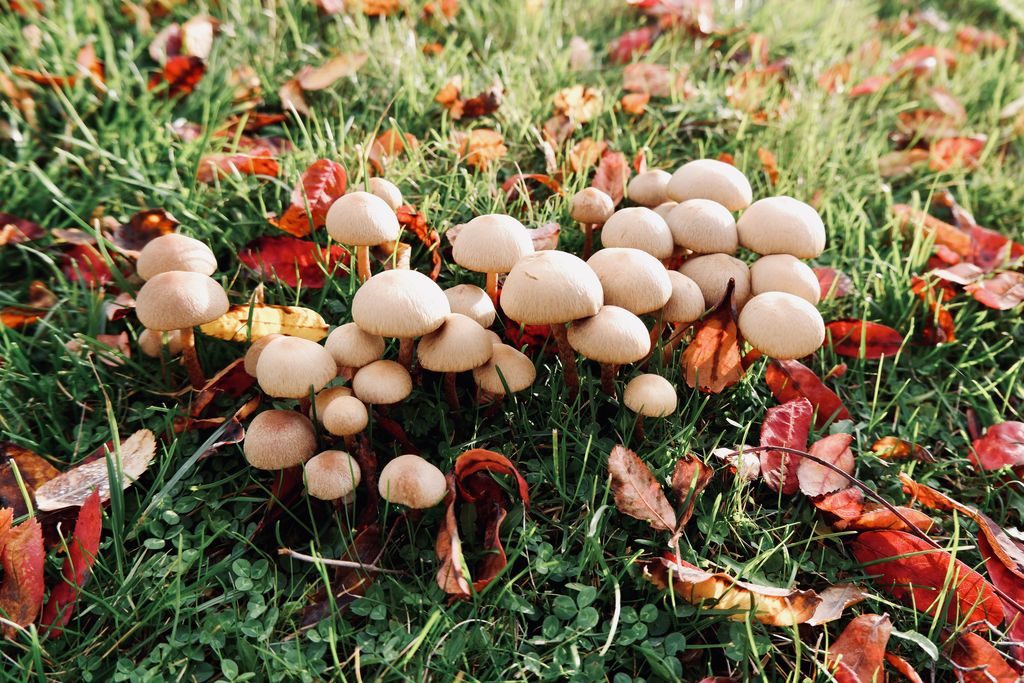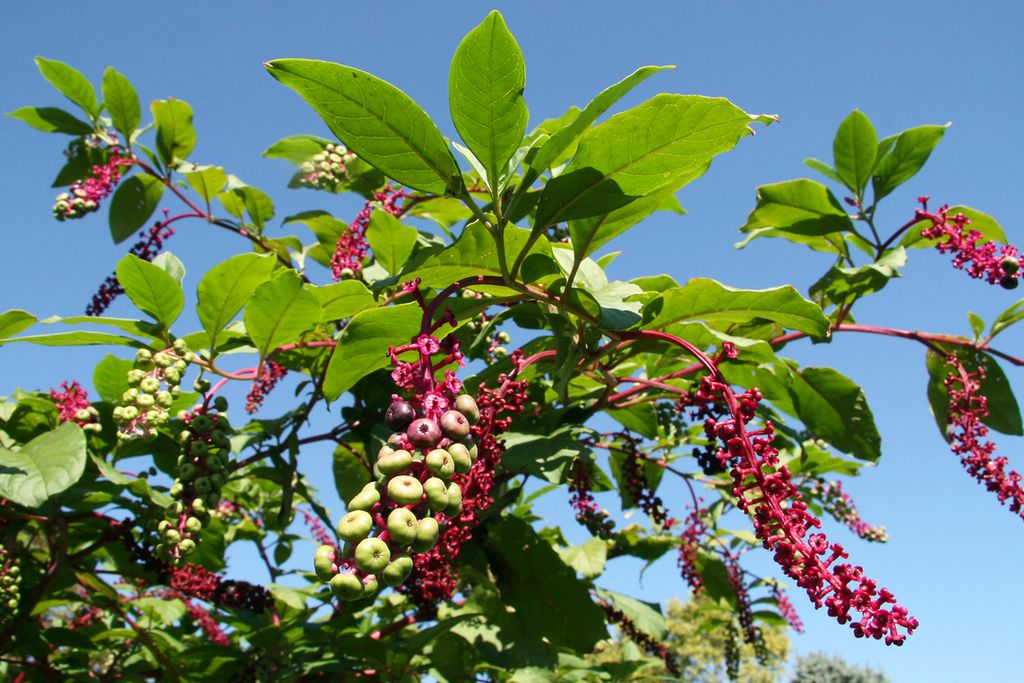
Are you tired of dandelions, crabgrass, and clover taking over your yard? You need a real solution.
In this ultimate guide, you will learn how to get rid of weeds permanently—not just for a season, but for good. Whether you want to know how to kill weeds naturally or with commercial products, we cover every method.
If you’ve been searching for how to get rid of weeds in your lawn without endless replanting, you’ve come to the right place. Understanding how to get rid of weeds starts with a solid plan. And effective weeding goes beyond pulling; it requires a permanent strategy.
Let’s transform your lawn into a weed-free oasis.
This post contains affiliate links. As an Amazon Associate, I earn from qualifying purchases at no additional cost to you.
- Why Weeds Keep Coming Back
- Step 1: Identify Your Weeds
- Step 2: Manual Weeding – The Foundation
- Step 3: Chemical Treatments – How to Kill Weeds at the Root
- Step 4: Preventative Landscaping – The Permanent Fix
- Step 5: Ongoing Lawn Care to Keep Weeds Away
- Frequently Asked Questions
- Summary: Your Permanent Weed-Free Plan
Why Weeds Keep Coming Back
Before you can learn how to get rid of weeds permanently, you must understand why they return.
Weeds thrive on bare soil, poor grass health, and inconsistent maintenance. Most weeds produce thousands of seeds per plant, and those seeds can remain viable in the soil for decades. If you only pull the leaves but leave the root, many perennials (like dandelion and bindweed) will regrow.
That’s why a one-time weeding session fails. Permanent removal requires a multi-layered attack: remove existing weeds, kill hidden roots, and prevent new seeds from sprouting.
Step 1: Identify Your Weeds
Not all weeds are equal. Your approach to how to kill weeds depends on the type:
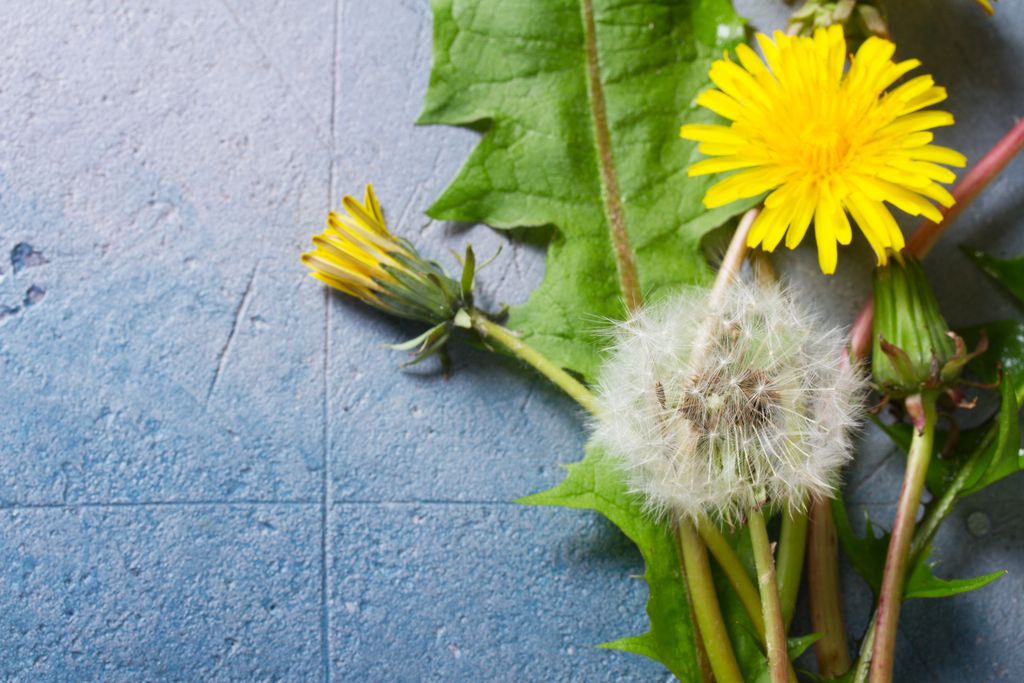
- Broadleaf weeds (dandelion, clover, chickweed) – Respond well to selective herbicides and manual pulling.
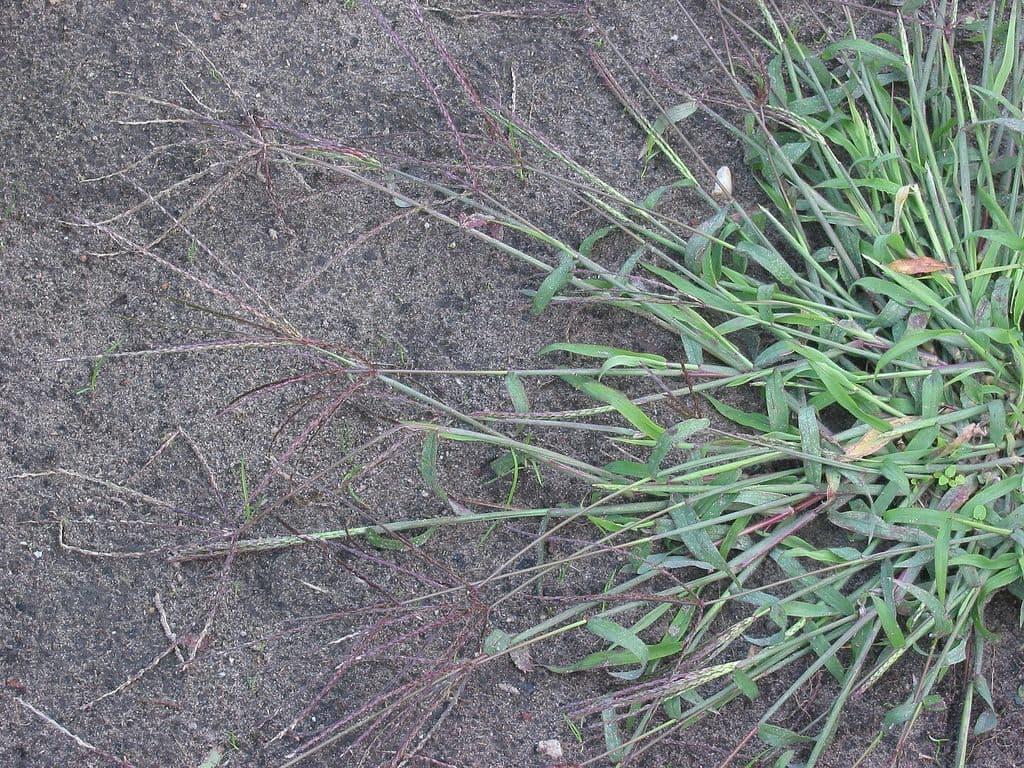
- Grassy weeds (crabgrass, quackgrass) – Require pre-emergent herbicides or repeated cutting.
- Perennial weeds (bindweed, nutsedge) – Need root-killing methods.
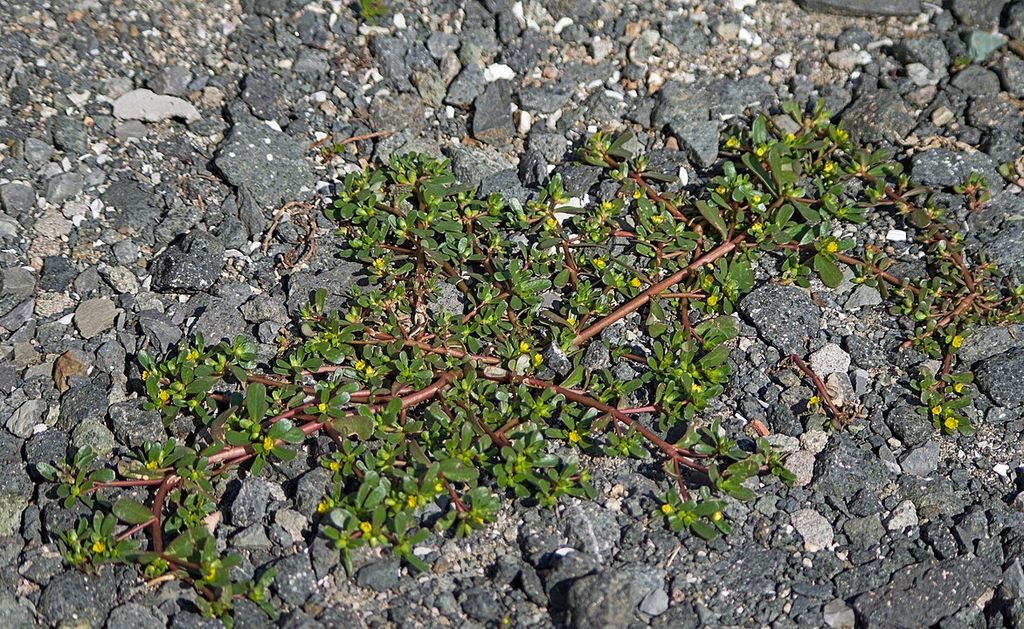
- Annual weeds (crabgrass, purslane) – Best controlled with pre-emergents.
Take photos or use a plant ID app. Correct identification saves you time and money.
Step 2: Manual Weeding – The Foundation
Manual removal is the safest and most direct way to start how to get rid of weeds in your lawn. For small infestations, this may be all you need.
Tools for Effective Manual Weeding
- Forked weeder (e.g., Grandpa’s Weeder) – Leverages roots from wet soil.
- Dandelion digger – Long, thin blade to reach taproots.
- Hori-hori knife – Serrated edge cuts through tough roots.
- Gloves and kneeling pad – Protects your hands and knees.
Step-by-Step Manual Removal
- Water the lawn deeply the night before. Soft soil releases roots easier.
- Grasp the weed at the base (not the leaves).
- Insert your tool 2–3 inches away from the stem, angling toward the center.
- Rock the tool to loosen the entire root system.
- Pull slowly and remove the whole weed, including root fragments.
- Fill the hole with a mix of topsoil and grass seed.
Pro tip: For how to get rid of weeds like creeping Charlie or ground ivy, use a rake to pull up the stolons (horizontal stems). Bag every piece—they reroot easily.
When Manual Weeding Is Not Enough
If you have more than 50 weeds per 100 square feet, manual removal becomes impractical. Then it’s time for chemical treatments.
Step 3: Chemical Treatments – How to Kill Weeds at the Root
Chemicals offer the most reliable method for how to kill weeds across large lawns. Use them strategically to avoid harming your grass.
Selective vs. Non-Selective Herbicides
| Type | Action | Best for | Example |
|---|---|---|---|
| Selective | Kills only broadleaf weeds, leaves grass unharmed | Lawns with mixed weeds | 2,4-D, dicamba, MCPP |
| Non-selective | Kills all vegetation | Driveways, patios, or full lawn renovation | Glyphosate (Roundup) |
How to Apply Selective Herbicides for Permanent Results
- Choose a calm day (no wind) and temperatures between 60–85°F.
- Mow 2 days before treatment – weeds need leaf surface to absorb.
- Use a sprayer with a fan tip for even coverage.
- Spray only the weeds (shield desirable plants with cardboard).
- Wait 48 hours before watering or mowing.
- Repeat after 2 weeks if needed – many perennials require two applications.
Important: To truly get rid of weeds permanently, combine chemical treatment with prevention. Herbicides kill existing weeds but do not stop new seeds from germinating.
Organic Chemical Alternatives
- Vinegar (20% acetic acid) – Kills tops of young weeds; not permanent.
- Boiling water – Destroys leaves but rarely roots.
- Corn gluten meal – Natural pre-emergent (see Step 4).
For permanent weeding in organic gardens, manual + mulching + corn gluten works best.
Step 4: Preventative Landscaping – The Permanent Fix
The most critical part of how to get rid of weeds permanently is prevention. If you create conditions where weeds cannot germinate or thrive, you will never need to kill weeds again.
1. Pre-Emergent Herbicides (The Seed Stopper)
Pre-emergents create a chemical barrier in the top inch of soil. They kill weed seedlings as they sprout. Apply them before weed seeds germinate:
- Crabgrass: Apply when soil temperature reaches 55°F (usually when forsythia blooms).
- Annual bluegrass: Apply in early fall.
- Dandelion: Spring and fall applications.
Top products: Prodiamine, dithiopyr, or organic corn gluten meal. Water lightly after application to activate.
2. Smother Weeds with Mulch
In garden beds, a 3–4 inch layer of mulch blocks light, preventing photosynthesis. Use:
- Shredded hardwood (slow to decompose)
- Straw (for vegetable gardens)
- Cardboard + compost (excellent for smothering bermudagrass)
Apply mulch after manual weeding for best results.
3. Improve Your Soil
Weeds love poor soil. Conduct a soil test (available from your county extension office). Adjust pH to 6.5–7.0 for most lawns. Aerate compacted soil so grass roots can outcompete weeds. Add organic matter – compost or topdressing – to create a dense, healthy turf.
4. Plant Densely
Bare spots are invitations for weeds. Over-seed thin areas every spring and fall. Choose grass varieties suited to your sun and climate (e.g., tall fescue for shade, Bermuda for sun). A thick lawn leaves no room for weeds.
5. Use Landscape Fabric Correctly
For pathways or under gravel, use heavy-duty woven fabric. Do not use fabric under organic mulch – weeds will grow on top. Instead, use a 6–8 inch deep layer of wood chips.
Step 5: Ongoing Lawn Care to Keep Weeds Away
Permanent weed control is a system, not a one-time event. Follow this weekly and monthly checklist.
Weekly Maintenance
- Mow high – Set blade to 3–4 inches. Tall grass shades weed seeds.
- Leave clippings – They return nitrogen and suppress weeds.
- Water deeply but infrequently – 1 inch of water per week (including rain). Shallow watering encourages weed roots.
Monthly Tasks
- Spot-pull any new weeds before they flower.
- Sharpen mower blade – Dull blades tear grass, inviting weeds.
- Apply organic fertilizer (e.g., alfalfa meal or slow-release synthetic) – avoid high-nitrogen quick releases that feed weeds too.
Seasonal Calendar
| Season | Action |
|---|---|
| Early Spring | Apply pre-emergent. Over-seed thin patches. |
| Late Spring | Spot-treat broadleaf weeds with selective herbicide. |
| Summer | Mow high. Water deeply. Hand-pull any crabgrass. |
| Early Fall | Core aerate. Apply pre-emergent for winter weeds. Fertilize. |
| Late Fall | Final mow (2.5 inches). Remove leaves to prevent mold. |
Frequently Asked Questions
Can I ever truly get rid of weeds permanently?
Yes, with consistent prevention. Permanent means reducing weeds to <1% coverage. Natural seed banks mean a few will always blow in, but you can maintain a weed-free lawn with the steps above.
What kills weeds permanently naturally?
Boiling water + manual root removal + corn gluten meal + thick mulch. No single natural method is permanent, but the combination works for most home gardens.
How do I get rid of weeds in my lawn without killing the grass?
Use selective herbicides labeled for “lawn safe” (e.g., Weed B Gon). Or spot-treat with a foam brush dipped in glyphosate – paint only the weed leaves.
Is vinegar as good as Roundup?
No. Household vinegar (5%) only burns leaves. Horticultural vinegar (20–30%) kills tops but rarely taproots. Roundup (glyphosate) travels to the root, but has environmental concerns. For permanent how to kill weeds, use manual + pre-emergent.
Why do weeds come back after pulling?
You left root fragments. Perennial weeds like dandelion can regenerate from 1 inch of root. Use a weeding tool to remove the entire taproot.
Summary: Your Permanent Weed-Free Plan
| Phase | Action | Frequency |
|---|---|---|
| Immediate | Manually remove all visible weeds with a forked tool | Once (first weekend) |
| Chemical | Apply selective herbicide to remaining weeds | 2–3 times per year (as needed) |
| Preventative | Lay pre-emergent + mulch + improve soil | Every spring and fall |
| Maintenance | Mow high, water deep, overseed bare spots | Weekly & monthly |
Follow this step-by-step lawn care plan, and you’ll master how to get rid of weeds permanently. Remember: the secret is not just killing what you see today, but building a lawn that chokes out tomorrow’s weeds.
Start with one weekend of manual weeding, then layer in prevention. Your neighbors will wonder how you did it. Now get outside and take back your yard.