Every few months I get an email from a frustrated homeowner. They’ve fertilized, watered, mowed on schedule, and their lawn still looks pale and patchy. Meanwhile, the neighbor’s grass is deep green.
The answer is often right under their feet: acidic soil. If your soil pH is too low (below 6.0), fertilizer can’t do its job. The nutrients are literally locked in the soil, unavailable to grass roots. Lime fixes that.
I’ve been testing and amending lawn soil for over 30 years. Here’s everything I know about using lime the right way.
This post contains affiliate links. As an Amazon Associate, I earn from qualifying purchases at no additional cost to you.
What Does Lime Do for Your Lawn?
Lime is ground limestone (calcium carbonate) or dolomitic limestone (calcium carbonate + magnesium carbonate). It does two things:
- Raises soil pH — makes acidic soil more neutral, which unlocks nutrients
- Adds calcium (and magnesium with dolomitic lime) — essential nutrients grass needs
When pH is between 6.0 and 7.0, most nutrients are readily available. Below 6.0, phosphorus, potassium, and nitrogen become less accessible. Below 5.5, grass growth slows noticeably and moss and weeds start to take over.
Lime isn’t a fertilizer, it’s a pH adjuster. You apply it so your fertilizer actually works.
Signs Your Lawn Needs Lime
You can’t always see acidity, but these are common clues:
| Sign | What it looks like |
|---|---|
| Poor fertilizer response | You fertilize but don’t see greener growth |
| Yellow or pale grass | Overall light color, especially on an established lawn |
| Weeds thrive | Clover, moss, and plantain love acidic soil |
| Thin, patchy turf | Grass won’t thicken up despite overseeding |
| High rainfall area | Rain naturally leaches calcium and acidifies soil |
These signs can also mean other problems (lack of nitrogen, compacted soil, grubs). That’s why a soil test is essential before you buy lime.
Why You Must Test Your Soil First
Never apply lime “just because.” Too much lime pushes pH too high (above 7.5), which causes iron deficiency and yellow grass, the opposite of what you want.
A soil test tells you:
- Current pH level
- How much lime is needed (if any)
- Whether you need calcitic or dolomitic lime
- Nutrient levels so you can choose the right fertilizer
How to test your soil:
- DIY test kit — Home kits are cheap ($10–$20) and give you a rough pH reading.
- Lab test — Your county extension office will test soil for $10–$20 and give you specific lime and fertilizer recommendations. This is the better option.
- Digital pH meter — Quick and reusable. Insert probe into moist soil, get a reading in seconds.
Target pH range for lawns: 6.0–7.0. If your soil reads 6.2 or higher, you probably don’t need lime.
Types of Lime for Lawns
| Type | What it is | Best for |
|---|---|---|
| Calcitic lime | Calcium carbonate only | Soils that need calcium but not magnesium |
| Dolomitic lime | Calcium + magnesium carbonate | Soils low in both calcium and magnesium |
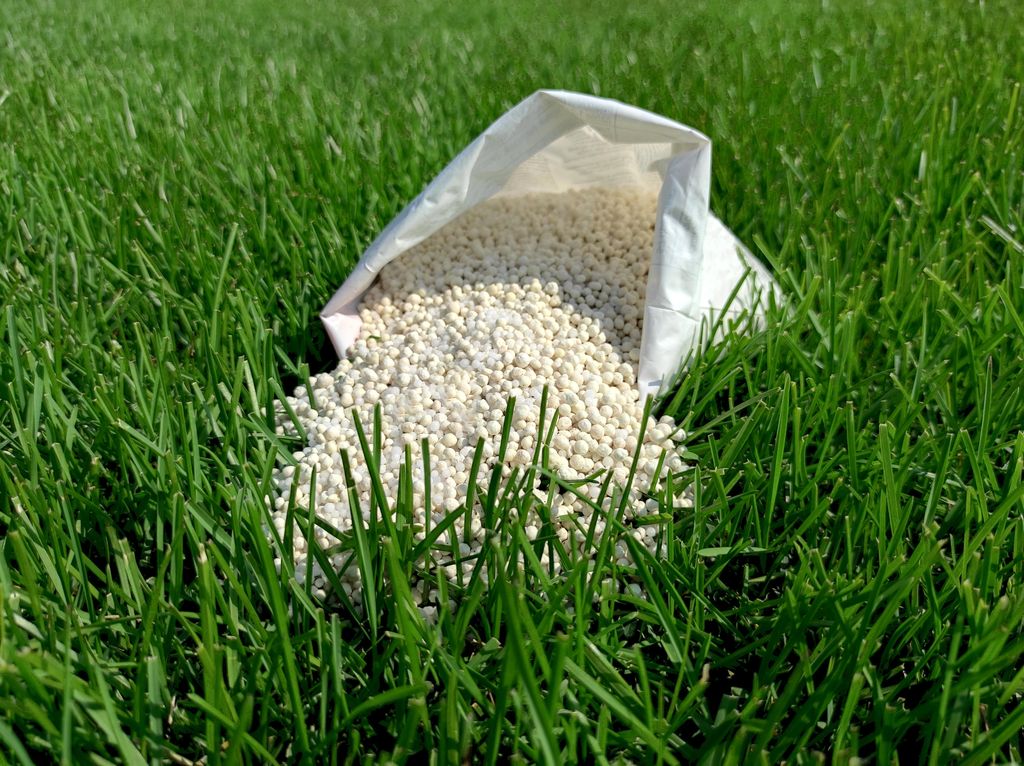
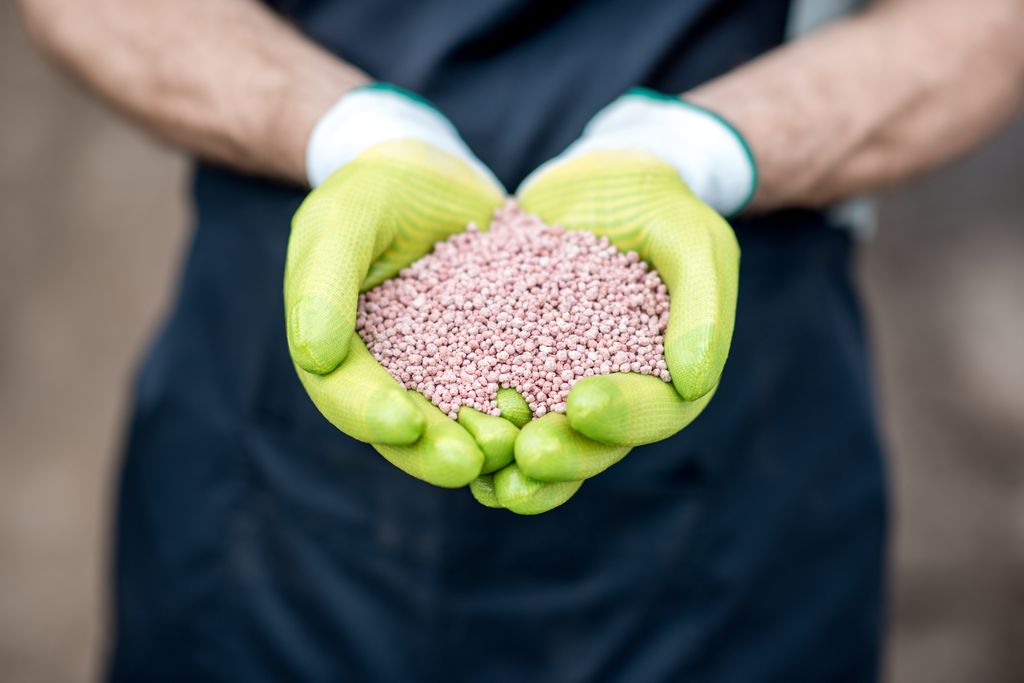
| Pelletized lime | Fine lime dust bound into pellets | Homeowners — easier to spread, less dust |
| Powdered lime | Fine dust | Fastest reaction but dusty and hard to spread evenly |
| Hydrated lime | Processed with water | Fast-acting but caustic — easy to over-apply |
For most homeowners, pelletized dolomitic lime is the best choice. It’s easy to spread with a broadcast spreader, less messy, and releases steadily over 6–12 months.
When to Apply Lime
Fall is ideal — apply after the last mowing but before the ground freezes. Rain and freeze-thaw cycles work the lime into the soil over winter, and it’s fully active by spring.
Spring is second best — apply as soon as the soil is workable. It takes 3–6 months to see full pH change, so spring-applied lime will be active by mid-to-late summer.
Do not apply lime:
- On frozen ground (it will wash away)
- During drought (needs moisture to activate)
- At the same time as fertilizer (wait 2–3 weeks apart)
How often: Most lawns need lime every 2–3 years. Test annually until pH stabilizes in the target range.
How Much Lime to Use
Always follow your soil test recommendation. General guidelines:
| Current pH | Lime needed per 1,000 sq ft (pelletized) |
|---|---|
| 6.0–6.5 | 0 (no lime needed) |
| 5.5–6.0 | 25–40 lbs |
| 5.0–5.5 | 50–70 lbs |
| 4.5–5.0 | 80–100 lbs |
Rule of thumb: Never apply more than 50 lbs per 1,000 sq ft in a single application. If you need more, split into spring and fall applications.
For a typical 5,000 sq ft lawn needing moderate correction, that’s 150–250 lbs of pelletized lime.
How to Apply Lime Step by Step
- Test your soil — confirm you need lime and how much
- Buy the right lime — pelletized dolomitic for most lawns
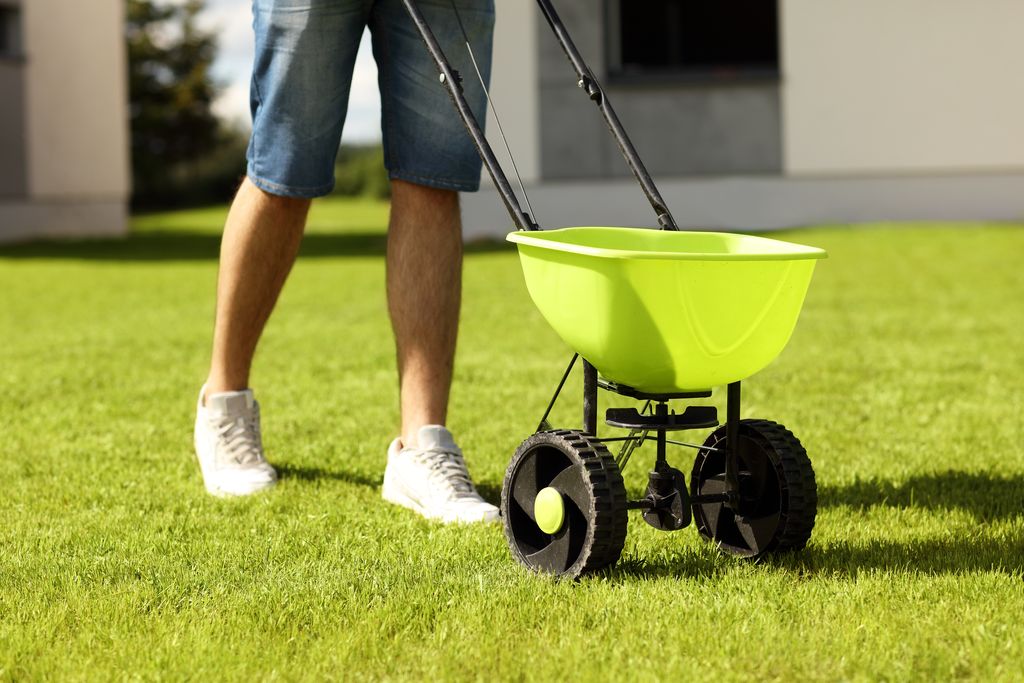
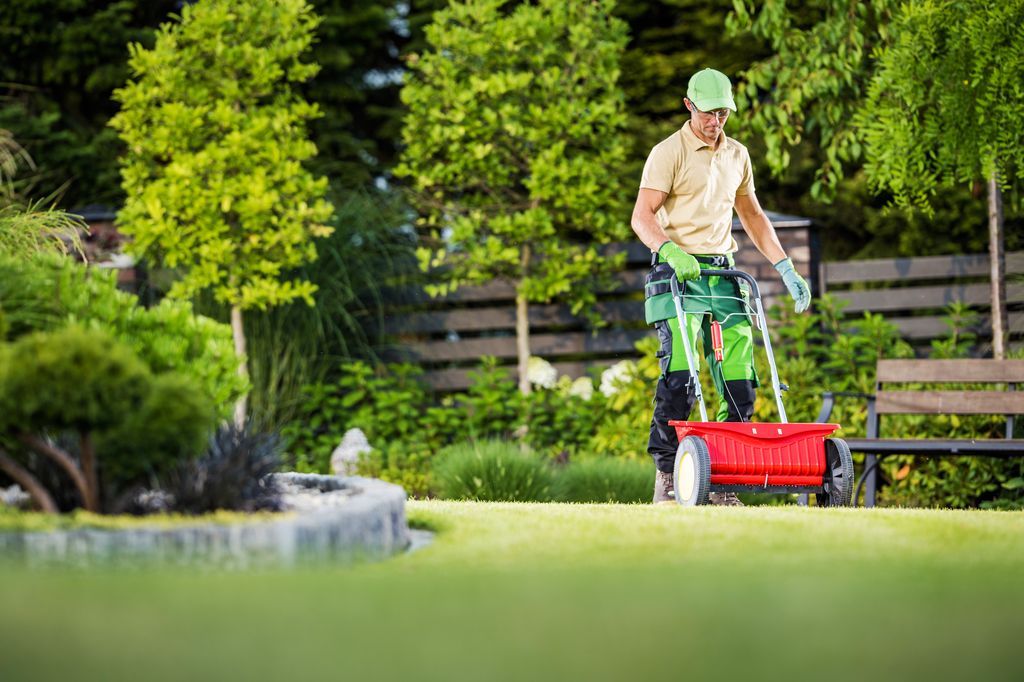
- Calibrate your spreader — use the setting on the bag as a starting point
- Apply on a calm, dry day — wind carries lime dust
- Spread evenly — go in two perpendicular directions (half rate each pass) for even coverage
- Water it in — 1/4 to 1/2 inch of water helps pelletized lime break down
- Wait — it takes 3–6 months for full pH change
Tip: Wear a dust mask and gloves. Even pelletized lime creates dust.
In Conclusion
If your lawn looks pale despite regular fertilizing, low pH is the likely culprit. Test your soil, apply lime in the fall, and give it time to work. Next spring you’ll see the difference: deeper color, better growth, and fertilizer that actually delivers results.
F.A.Q
Can I apply lime and fertilizer at the same time?
No — apply them 2–3 weeks apart. Lime changes soil chemistry, and fertilizer needs stable conditions to work properly.
How long does lime take to work?
Pelletized lime takes 3–6 months for full effect. You’ll see the biggest difference the season after application. Powdered lime works faster but is harder to use.
Will lime burn my grass?
Lime doesn’t “burn” grass like nitrogen fertilizer can. However, over-application can raise pH too high and cause nutrient deficiencies. Follow your soil test.
Can I apply lime in summer?
Not recommended. Lime needs moisture to break down, and summer heat+dry conditions slow the process. Fall or spring is better.
Does lime kill moss?
Indirectly, yes. Moss thrives in acidic soil (pH 5.0–5.5). Raising pH to 6.0+ makes conditions unfavorable for moss while helping grass compete.
Is pelletized lime better than powdered?
For homeowners, yes. Pelletized spreads easily with a broadcast spreader, creates less dust, and the pellets break down over time for steady release. Powdered is faster but messy and easy to over-apply.
How do I know if my soil needs lime?
A soil test is the only reliable way. Guessing leads to wasted lime or over-liming, which causes its own problems. A $10 test from your extension office is money well spent.