You let the dog out. Five minutes later, there’s a bright green circle on your lawn. A week after that, the center turns brown and dies. Then the cycle repeats.
Dog urine spots are the most common lawn complaint I hear from pet owners. And most of the advice out there — “add tomato juice to their food,” “feed them vinegar tablets” — doesn’t actually work.
Here’s what really causes the spots and how to fix them.
This post contains affiliate links. As an Amazon Associate, I earn from qualifying purchases at no additional cost to you.
Why Dog Urine Damages Grass
Dog urine contains nitrogen and salts. In small amounts, nitrogen is fertilizer (that’s why the ring around the edge turns dark green). But in concentrated amounts, it burns the grass roots and kills the plant.
The damage depends on three factors:
- Concentration — female dogs tend to cause more damage because they empty their bladder in one spot (males sprinkle across many spots)
- Size of the dog — larger dogs produce more urine per spot
- Lawn health — stressed, dry grass is more susceptible than healthy, well-watered grass
The dark green ring is from the diluted nitrogen at the edge acting as fertilizer. The brown center is from concentrated nitrogen and salts burning the roots.
The “Dark Green Ring” Sign
If you see a perfect dark green circle with a brown or yellow center, that’s classic dog urine damage. No other lawn problem looks quite like it.
Compare with other causes:
| Symptom | Likely cause |
|---|---|
| Dark green ring, brown center | Dog urine |
| Irregular brown patches, grass pulls up | Grubs |
| Brown circles, no green ring | Fungus (brown patch) |
| Random dead spots, no pattern | Physical damage (scalping, spills) |
Immediate Steps to Fix Urine Spots
If you catch it right away:
- Flush the spot with at least 1 gallon of water — this dilutes the nitrogen and salts before they burn the roots
- Repeat every time your dog urinates in the same area
If the spot is already brown:
That grass is dead. You can’t revive it. Move to repair.
How to Repair Dead Patches
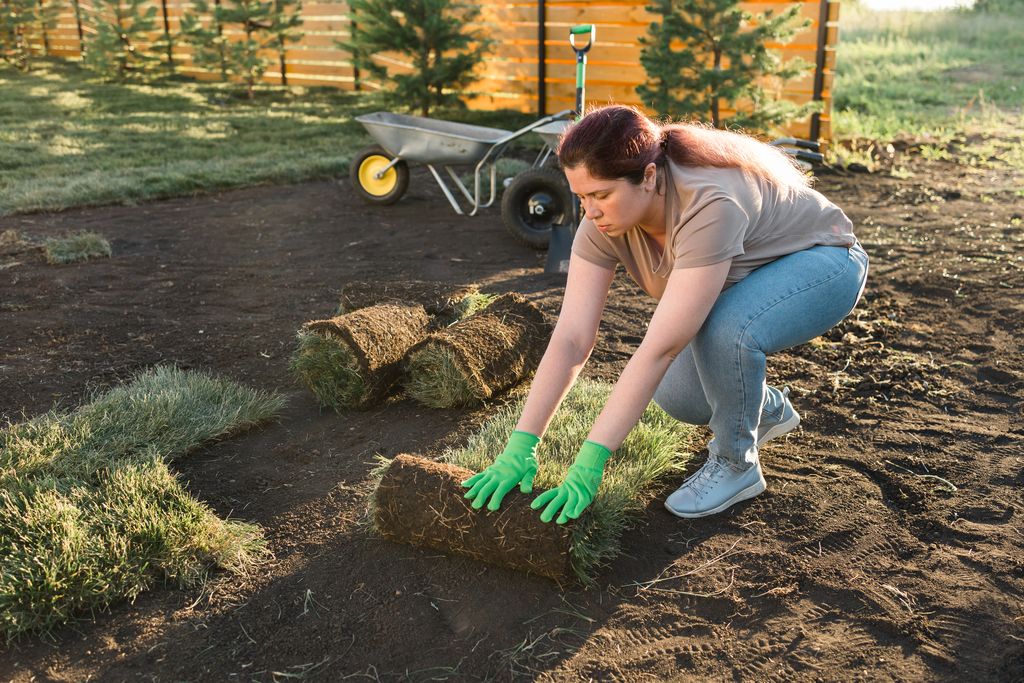
- Scrape away dead grass — rake the brown spot to bare soil
- Loosen the soil — scratch the top 1/4 inch
- Add a thin layer of compost — helps hold moisture for new seed
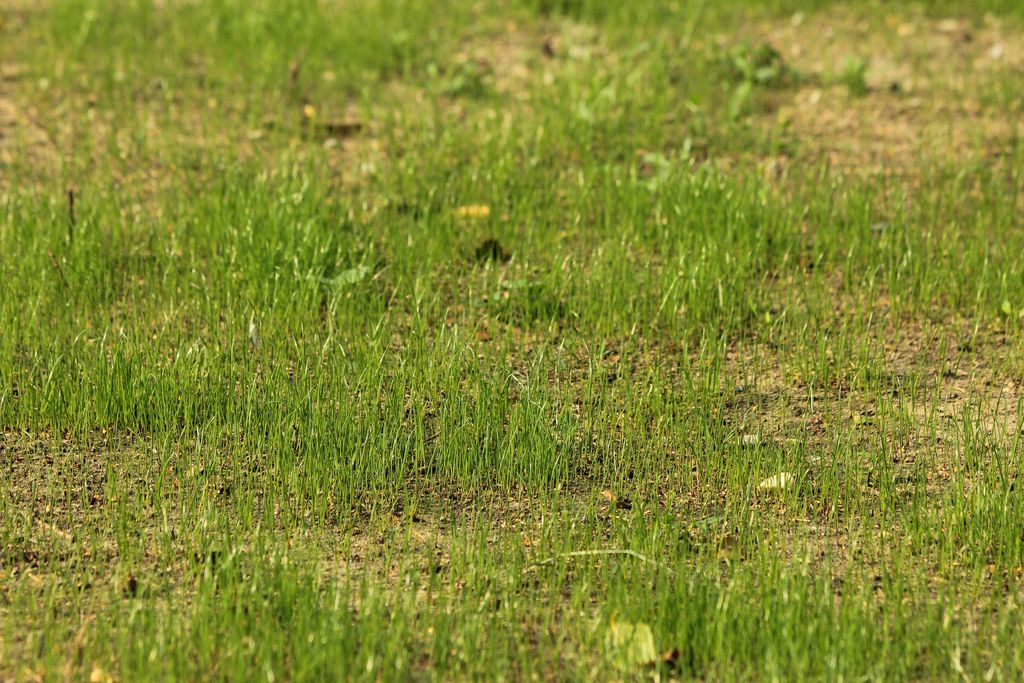
- Seed with matching grass — use the same type as the rest of your lawn
- Keep moist — water lightly daily for 2–3 weeks
Best time: Early fall (for cool-season) or late spring (warm-season). New seedlings are more delicate and need ideal conditions.
Prevention Strategies That Actually Work
1. Dilute with water (most effective)
Keep a watering can or garden hose near the back door. After your dog urinates, pour 1 gallon of water on the spot. This dilutes the nitrogen below the burn threshold.
Done consistently, this alone eliminates 90% of urine spots.
2. Create a designated bathroom area
Train your dog to use a specific spot — a gravel patch, mulch area, or side yard. Once they learn the spot, your main lawn stays clean.
- Lead them to the spot every time
- Reward them when they use it
- Most dogs learn within 1–2 weeks
3. Encourage more drinking
The more water your dog drinks, the more diluted their urine. Keep fresh water available at all times. Some pet owners add water to dry food.
4. Walk your dog off the lawn
Morning and evening walks let your dog empty their bladder away from the grass. The fewer urine deposits on the lawn, the fewer spots.
5. Use “lawn zones”
Fence off a small area of the yard as a dedicated dog zone with pea gravel or mulch. Dogs naturally prefer certain surfaces for elimination — they’ll learn to use the zone.
Products That Help
| Product | How it works | Effectiveness |
|---|---|---|
| Lawn repair patches | Pre-seeded pads that cover spots | Good for existing damage |
| Dog urine-neutralizing supplements | Add to water/food (Yucca, probiotics) | Mixed — some owners report success |
| Gypsum | Neutralizes salt damage | Better as soil amendment than treatment |
| Soil wetting agents | Help water penetrate compacted soil | Helpful for flushing |
What doesn’t work: Tomato juice, vinegar, baking soda, cranberry supplements. These don’t effectively change urine chemistry enough to prevent burn.
Best Grass Types for Dog-Friendly Lawns
Some grasses handle dog urine better than others:
| Grass type | Urine tolerance | Notes |
|---|---|---|
| Tall Fescue | Good | Deep roots, recovers well |
| Perennial Ryegrass | Moderate | Damage recovers in wet weather |
| Kentucky Bluegrass | Poor | Thinner roots, slow recovery |
| Bermuda | Good | Spreads back quickly from runners |
| Zoysia | Moderate | Slow to fill in, but dense |
| Clover | Excellent | Handles high nitrogen well |
If you’re starting a lawn where dogs will be, choose tall fescue (cool-season) or Bermuda (warm-season). Clover is the most resistant option but has different management requirements.
Conclusion
Dog urine spots don’t have to be a constant battle. A watering can by the door and consistent flushing after each bathroom break prevents nearly all damage. For established spots, scrape, seed, and water — they’ll be gone in a month.
F.A.Q
Why is my lawn getting dark green spots from dog urine?
The dark green ring is the grass getting fertilized by diluted nitrogen. The nitrogen concentration is lower at the edge of the urine puddle, so it acts as a mild fertilizer rather than a burn.
Will dog urine spots go away on their own?
The surrounding grass may fill in the dead spot over time if the grass type spreads (Bermuda, bluegrass). Clumping grasses (fescue, ryegrass) need reseeding.
Should I stop my dog from drinking water?
No — restricting water is dangerous. Well-hydrated dogs produce more diluted urine, which causes less damage. Always keep fresh water available.
Does a female dog’s urine cause more damage?
Yes, typically. Female dogs squat and empty their full bladder in one spot. Male dogs lift a leg and urinate across multiple spots, distributing the nitrogen more widely.
How long does it take for grass to recover from dog urine?
If the roots survived (dark green ring, not fully brown), recovery takes 2–4 weeks. If the center is fully dead, you need to reseed — recovery is 3–6 weeks with proper care.
Can I train my dog to go in one spot?
Yes — this is the most effective long-term solution. Designate a small area (mulch or gravel), lead them there consistently, and reward them. Most dogs learn within 1–2 weeks.