Getting rid of weeds naturally doesn’t require toxic chemicals. Before you reach for a commercial herbicide loaded with glyphosate or other harsh chemicals, consider this: a homemade weed killer can be just as effective, safer for your family, and kinder to the planet.
The demand for natural weed killers that work has never been higher. People want solutions that kill weeds down to the root without leaving toxic residues where kids and pets play. The good news? You probably already have the ingredients in your pantry. From vinegar to boiling water, these DIY recipes offer powerful natural weed control for driveways, walkways, and garden edges—without harmful side effects.
In this guide, we’ll share seven proven home made weed killer recipes, explain exactly how to use them, and show you how to target tough weeds in cracks without damaging nearby soil or plants.
This post contains affiliate links. As an Amazon Associate, I earn from qualifying purchases at no additional cost to you.
Why Choose a Natural Weed Killer?
Commercial herbicides often contain chemicals like glyphosate, 2,4-D, and dicamba, which have been linked to health and environmental concerns. A non toxic weed killer offers several advantages:
- Safe for pets and children – No waiting periods or warning signs needed.
- Protects soil microbiology – Harsh chemicals kill beneficial microbes.
- No runoff into water systems – Vinegar and salt break down quickly.
- Cost-effective – Most ingredients cost pennies per use.
- Selective application – You control where the solution goes.
That said, natural options work best as contact killers (they burn foliage) rather than systemic poisons. For perennial weeds with deep taproots (like dandelions or bindweed), you may need repeated applications or a combination of methods.
The Best 7 Homemade & Natural Weed Killers That Actually Work
Below are seven DIY recipes ranked by effectiveness for different situations. Always test on a small area first, and avoid spraying on windy days to prevent drift onto desirable plants.
1. Vinegar + Dish Soap + Salt (The Heavy-Duty Mix)
This is the gold standard for natural weed control for driveways and other hardscapes where you don’t plan to plant anything. The vinegar (acetic acid) dries out plant tissue, salt dehydrates roots, and dish soap helps the mixture stick to waxy weed leaves.
Recipe:
- 1 gallon of white vinegar (10–20% acetic acid – look for “horticultural vinegar” for best results; standard 5% works but requires more applications)
- 1 cup of table salt
- 1 tablespoon of liquid dish soap (preferably biodegradable)
Instructions:
- Heat the vinegar in a large pot (warm vinegar dissolves salt better – do this outdoors or with ventilation).
- Stir in the salt until fully dissolved.
- Add the dish soap and gently mix.
- Pour into a spray bottle or garden sprayer.
- Apply on a sunny, dry day directly to weed foliage until dripping.
Best for: Driveways, sidewalks, gravel areas, and patio cracks. Avoid soil where you want plants to grow – salt can sterilize soil for months.
2. Plain Boiling Water (The Zero-Cost Method)
Sometimes the simplest homemade weed killer is the most effective. Boiling water destroys plant cell structure instantly. It’s completely non-toxic, requires no mixing, and works well on annual weeds.
Instructions:
- Bring a large pot of water to a rolling boil.
- Carefully carry it outdoors (wear gloves and closed-toe shoes).
- Pour directly onto the center of the weed, saturating the leaves and crown.
- For cracks, pour slowly so it seeps down to the roots.
Best for: Young weeds in driveways, between pavers, and on paths. Repeat every 2–3 days for stubborn weeds like creeping charlie.
Tip: Use the leftover pasta or vegetable cooking water (without salt) for an extra nutrient boost – though unsalted is safer for soil.
3. Horticultural Vinegar (20% Acetic Acid) Straight
Standard kitchen vinegar (5% acetic acid) is mild. For tougher weeds like thistle, bindweed, or established grasses, horticultural vinegar (20–30% acetic acid) works much faster. It burns foliage within hours.
Important safety note: 20% vinegar can cause skin burns and eye damage. Wear gloves, goggles, and long sleeves. Never use it undiluted on lawns or garden beds.
Recipe:
- Undiluted 20% horticultural vinegar
- (Optional) 1 tablespoon of orange oil or clove oil per quart – these natural oils enhance desiccation.
Instructions:
- Pour into a sprayer labeled for chemicals.
- Spray only on weeds on sunny, windless days.
- Avoid contact with desirable plants – cover them with cardboard or plastic.
Best for: Perennial weeds, poison ivy, and large patches of unwanted growth in non-garden areas.
4. Baking Soda (Sodium Bicarbonate) for Cracks
Baking soda is a gentle but effective natural weed killer for small, isolated weeds in driveways and walkways. It draws moisture out of plant cells and raises soil pH, making it hostile to new growth.
Instructions:
- Wet the weed foliage lightly with a spray bottle of plain water.
- Sprinkle a generous amount of baking soda over the leaves and crown.
- For deep-rooted weeds, mix baking soda with a little water to form a paste and smear it onto the leaves.
Best for: Tiny weeds in paver joints, brick pathways, and between stepping stones. Reapply after rain.
Why it’s popular: One reader called it “the home made weed killer my grandmother used” – and it still works today.
5. Lemon Juice + Vinegar (Citrus Boost)
Lemon juice contains citric acid (about 5–6%), which is even stronger than acetic acid at disrupting plant cell membranes. Combined with vinegar, this becomes a powerful sun-activated burn treatment.
Recipe:
- 1 cup of lemon juice (fresh or bottled – concentrate works too)
- 1 cup of white vinegar (5% or higher)
- 1 teaspoon of dish soap
Instructions:
- Combine all ingredients in a glass spray bottle (citrus oils can degrade plastic over time).
- Shake well.
- Spray directly on weeds in full sun. The citric acid reacts with sunlight to amplify the burn.
Best for: Small annual weeds in patios, along fence lines, and around raised beds. Avoid using on lawns.
6. Corn Gluten Meal (Pre-Emergent Natural Weed Control)
Unlike the other recipes that kill existing weeds, corn gluten meal prevents weed seeds from germinating. It’s a byproduct of corn milling that inhibits root formation in seedlings.
Instructions for use:
- Apply corn gluten meal at a rate of 20 pounds per 1,000 square feet in early spring (before weeds sprout).
- Water it in lightly (about 0.25 inches) to activate the herbicidal properties.
- Reapply every 4–6 weeks during the growing season.
Best for: Lawns and established garden beds – it also adds nitrogen to the soil. It will not kill existing weeds, only new sprouts.
Note: This is a true non toxic weed killer approved for organic gardening. Safe for birds, bees, and pets.
7. Rubbing Alcohol (Isopropyl) Solution
Rubbing alcohol dehydrates plant tissue rapidly. It’s especially useful for spot-treating weeds in rock gardens or along foundation walls where you don’t want salt buildup.
Recipe:
- 2 cups of 70% isopropyl alcohol
- 2 cups of water
- 1 teaspoon of liquid dish soap
Instructions:
- Mix in a spray bottle.
- Spray weed leaves thoroughly on a warm, sunny day.
- Keep away from desirable plants – alcohol can damage them within minutes.
Best for: Small, waxy-leaved weeds like chickweed and oxalis in non-food growing areas.
How to Use These Natural Weed Killers for Driveways (Without Harming Surrounding Soil)
Driveway cracks are the #1 complaint among homeowners. Follow these pro tips for effective natural weed control for driveways:
- Sweep first – Remove loose dirt, moss, or gravel so the solution reaches the weed base.
- Use a shield – Cut the bottom off a plastic jug or use a piece of cardboard to protect adjacent lawn or garden soil.
- Apply in the afternoon – Sunlight accelerates the burning effect of vinegar and citrus.
- Repeat every 48 hours – Most natural weed killers only kill top growth. New shoots may appear; apply again until the root is exhausted.
- Seal the cracks – After killing weeds, fill driveway cracks with polymeric sand or a concrete crack filler to prevent regrowth.
Important warning about salt: If you use the vinegar-salt-dish soap recipe on a driveway that slopes toward your lawn or flower beds, the salt can wash into the soil and kill grass. For areas near plants, use boiling water, straight vinegar, or baking soda instead.
Safety Tips & Best Practices for Homemade Weed Killers
Even though these are natural weed killers, they require responsible use:
- Wear gloves and eye protection – Vinegar (especially horticultural) and rubbing alcohol can irritate skin and eyes.
- Label your sprayer – Dedicate one sprayer for herbicides to avoid accidentally killing your vegetable garden.
- Don’t spray before rain – Rain will wash the solution off before it can work. Wait for a 24-hour dry window.
- Keep pets indoors until dry – Once the solution is dry, it’s generally safe. But vinegar and salt can irritate paws if walked through wet.
- Store out of reach of children – While non-toxic in small amounts, drinking large quantities of salt-vinegar mix can be dangerous.
What About “Natural” Commercial Products? (A Quick Comparison)
Many brands sell pre-mixed natural herbicides containing clove oil, cinnamon oil, or pelargonic acid. They work similarly to the recipes above but cost 5–10 times more. For example:
- Avenger Weed Killer (citrus oil based) – $20 for 32 oz.
- Eco Garden Pro (vinegar + salt blend) – $15 for 1 gallon.
You can make the same thing for under $2 with kitchen ingredients. The only advantage of commercial products is convenience and sometimes a longer shelf life. But if you’re serious about DIY, stick with the recipes above.
Which Weeds Will Natural Killers NOT Eliminate?
No homemade weed killer is a magic bullet. These natural solutions struggle with:
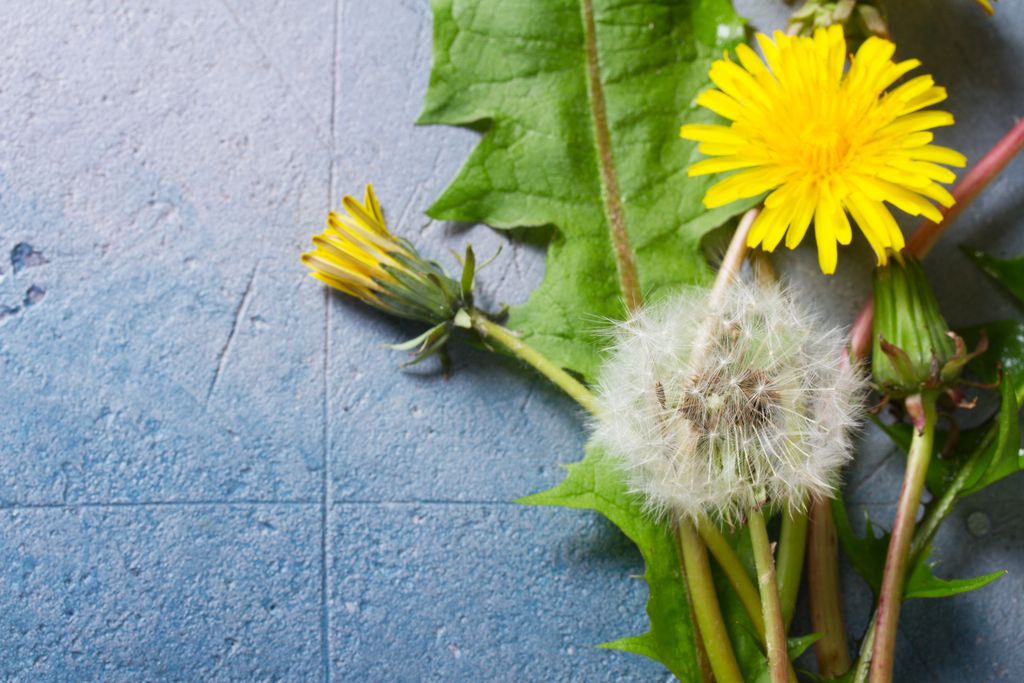
- Perennial weeds with deep taproots (dandelions, dock, comfrey) – They may regrow from root fragments.
- Vines like bindweed or English ivy – Systemic action is needed; you’ll need to dig or repeatedly burn foliage.
- Large established bushes or bamboo – Physical removal or professional treatment is required.
For these tough cases, combine natural sprays with manual removal using a dandelion digger or a weed torch (flame weeder). A weed torch is safe for driveways and gravel but never use it near dry grass or wooden fences.
Final Verdict: Which Homemade Weed Killer Should You Use First?
| Situation | Best Natural Weed Killer |
|---|---|
| Driveway cracks, no nearby plants | Vinegar + salt + dish soap (#1) |
| Weeds near vegetable garden | Boiling water (#2) or baking soda (#4) |
| Large area of lawn weeds (prevention) | Corn gluten meal (#6) |
| Poison ivy or tough perennials | Horticultural vinegar (#3) |
| Quick spot treatment on pathways | Rubbing alcohol mix (#7) |
| Small, young weeds in patios | Lemon juice + vinegar (#5) |
The most popular and effective all-around home made weed killer for driveways and sidewalks is Recipe #1 (vinegar, salt, dish soap). For garden beds where you plan to plant flowers or vegetables, stick with boiling water or corn gluten meal to avoid soil damage.
Conclusion: Go Natural, Go Effective
You don’t need toxic chemicals to win the war against weeds. These 7 natural weed killers that actually work prove that safe, simple, and cheap solutions are right in your kitchen. Whether you need natural weed control for driveways or a non toxic weed killer for your vegetable patch, one of these recipes will get the job done.
Remember to apply on sunny days, repeat as needed, and protect nearby desirable plants. Your lawn, your pets, and your local water system will thank you.